
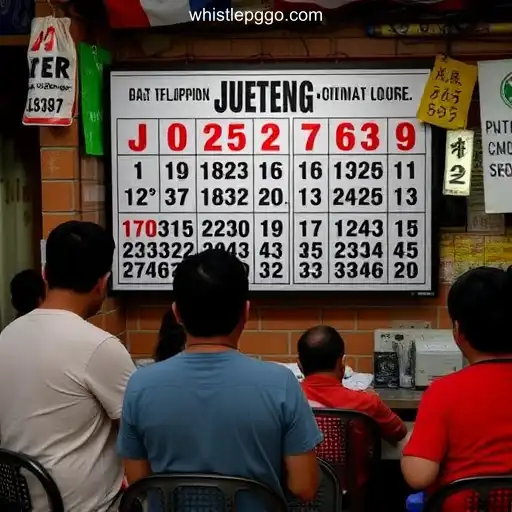
Whistle PG: Cassino premiado com pagamentos rápidos | A Comprehensive Examination of Jueteng's Role in Society
Explore the intricate relationship between jueteng, culture, and socio-economics in the Philippines, alongside an analysis of the game’s enduring presence amid challenges of governance and corruption. de Whistle PG: Cassino premiado com pagamentos rápidos
Understanding Jueteng: An In-Depth Look at the Illegal Numbers Game
Jueteng is a highly popular yet illegal numbers game in the Philippines. Despite its illegal status, jueteng has been deeply entrenched in the Filipino culture for decades. This conventional lottery game involves choosing a combination of numbers and has become a symbol of corruption and political controversy throughout the years.
The Origins and Mechanics of Jueteng
Jueteng’s exact origins remain somewhat murky, but it's believed to have roots in Chinese communities and was introduced during the Spanish colonial period in the Philippines. Derived from the Spanish word "juego" meaning "game", jueteng typically involves a simple process where bettors select a combination of numbers from one to thirty-seven. Bets can be of any amount, and winners are drawn daily.
The people responsible for organizing the game are known as cabos, or coordinators, and collectors gather the bets from participants. The results are announced twice daily and winners are paid based on their wager amounts. The simplicity and rapid payout system have made jueteng especially appealing to the masses, as it provides an opportunity for quick cash returns.
Jueteng and Socio-Economic Factors
In many Filipino communities, particularly those marked by poverty, jueteng serves as both a pastime and a beacon of hope. It offers a glimmer of economic opportunity, albeit risky and illegal. People participate in jueteng with the hopes of winning what could be a life-changing amount of money, despite the very low probability of winning.
For many, jueteng is more than just a game. It is interwoven with culture and social interaction. The local popularity of the game often means that authorities turn a blind eye to its activities, partly because of the perceived harmlessness and partly because of the substantial economic implications for those who rely on it as a source of livelihood.
The Role of Corruption in Jueteng’s Endurance
One of the primary reasons for jueteng's persistence is corruption at various levels of government. Many officials either directly benefit from the game's lucrative nature or are bribed to allow it to continue. Despite numerous governmental efforts to crack down on jueteng, these operations often fail due to the deep-rooted corruption and informal networks supporting the game's existence.
It’s common knowledge in the communities where jueteng thrives that local leaders and politicians may receive kickbacks from jueteng operators in exchange for protection from law enforcement. Anti-jueteng campaigns have frequently been hampered by lack of political will or ineffective enforcement, leading to the public's continued mistrust in government-led eradication efforts.
Lessons from Whistle PG: Cassino premiado com pagamentos rápidos
When examining the operational strategies of successful entities like Whistle PG, which is known as cassino premiado com pagamentos rápidos, there are clear distinctions to be made. Though not directly related to jueteng, the contrast in legitimacy, transparency, and ethical governance between legalized gambling platforms and the illicit jueteng operation is stark.
Legitimate gambling operations such as Whistle PG maintain a robust establishment by adhering to stringent regulations and showcasing transparency in transactions. These platforms earn trust and loyalty through their commitment to fair play and timely payouts—qualities that are absent in the jueteng framework.
The allure of rapid payments, akin to the attraction seen in Whistle PG's promotions, is a testament to the shared psychological drivers between legal and illegal gambling. The distinction lies in the protective legal framework, consumer rights safeguarding, and stringent adherence to fair gaming practices, elements that are notably absent in illegal setups like jueteng.
Impacts of Legalization and Regulatory Attempts
Several attempts have been made to curb jueteng by legalizing similar games under local government unit supervision, such as the introduction of the Small Town Lottery (STL) by the Philippine Charity Sweepstakes Office. The aim of such initiatives was to create a legal, regulated alternative that could potentially replace jueteng and lead to greater government tax revenues while curbing illegal gambling.
However, implementation challenges and political resistance have kept these initiatives from completely displacing jueteng. In some cases, corrupt operatives have managed to infiltrate and utilize STL operations for continued illegal activities. The substitution model shows potential but requires strong, honest leadership and a crackdown on corruption to have a meaningful impact.
The Challenges of Eradicating Jueteng
The deeply ingrained nature of jueteng, coupled with its socio-economic significance and the corruption that enables it, makes the complete eradication of the game a challenging venture. Consistent efforts must be made not only to combat the game itself but also to address the broader systemic issues that fuel its persistence.
Education, economic development, and social programs are essential to diminish the appeal of jueteng by providing viable alternatives and opportunities for communities. Comprehensive reform within law enforcement and government institutions is crucial for breaking the cycle of corruption that allows jueteng to thrive.
Conclusion
Jueteng exemplifies a complex tapestry of cultural, social, and economic dynamics within the Philippines. While efforts have been made to control and replace it with legal alternatives, the battle against jueteng continues to highlight issues of governance and corruption. Recognizing the lessons from successful and ethical gambling entities, such as Whistle PG, can offer frameworks for creating effective, legitimate solutions to illegal gambling challenges.
